Are your leaders autocratic? Do they make all decisions independently, with little to no input from team members? Does communication typically flow top-down and it's "my way or the highway" approach by leaders? Or is transactional leadership employed, where rewards are provided for desired performance and corrective action for deviations?
Do you find any of these leadership styles effective? Are your people engaged, committed and loyal as a result?
Autocratic leadership eventually results in low morale and engagement as employees feel undervalued, unempowered, and disengaged when their input isn't sought or appreciated. This leads to resentment and high turnover. Transactional leadership often hinders creativity, innovation, and long-term vision, and may not foster employee engagement.
If you want your people to be engaged and loyal to your organization, you need to have leaders who are people centric and who inspire and motivate their teams to achieve extraordinary results. These leaders are transformational and articulate a compelling vision, encourage innovation, foster individual growth, and empower their teams to go beyond their perceived limitations.
While every leadership style has its place depending on the context, transformational leadership generally offers significant advantages over autocratic and transactional leadership. Here's why:
The Power of Transformational Leadership:
Transformational leadership addresses many of the pitfalls of autocracy by:
- Inspiring a Shared Vision: Transformational leaders create a compelling vision that excites and unites their team, fostering a sense of purpose and collective effort.
- Encouraging Innovation and Creativity: They empower team members to think outside the box, challenge the status quo, and contribute new ideas, leading to effective solutions.
- Fostering Individual Growth: Transformational leaders act as mentors and coaches, supporting the development of each team member's skills and potential, and empowering them to become leaders themselves.
- Building Trust and Respect: By demonstrating integrity, empathy, and a genuine commitment to their team, these leaders build strong relationships based on trust and mutual respect.
- Achieving Higher Performance: Motivated, engaged, and empowered teams are naturally more productive and resilient, consistently exceeding expectations.
There are several other styles of leadership, but this people-centric leadership style has been found to be powerful and effective.
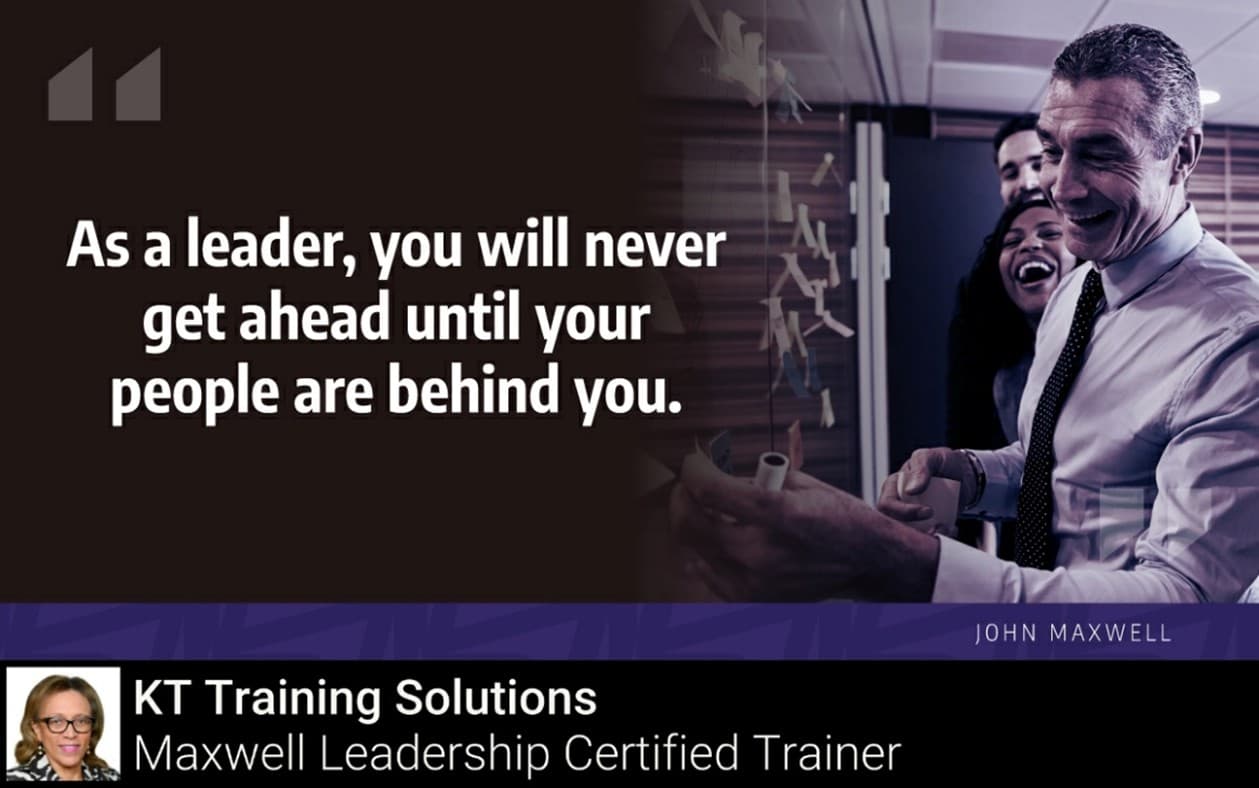
As a leader, you will never get ahead until your people are behind you. Once you succeed in the area of people, you will succeed as an organization and you will be able to give excellent customer service, achieve sales targets, and operate efficiently, as your people will be there supporting you.