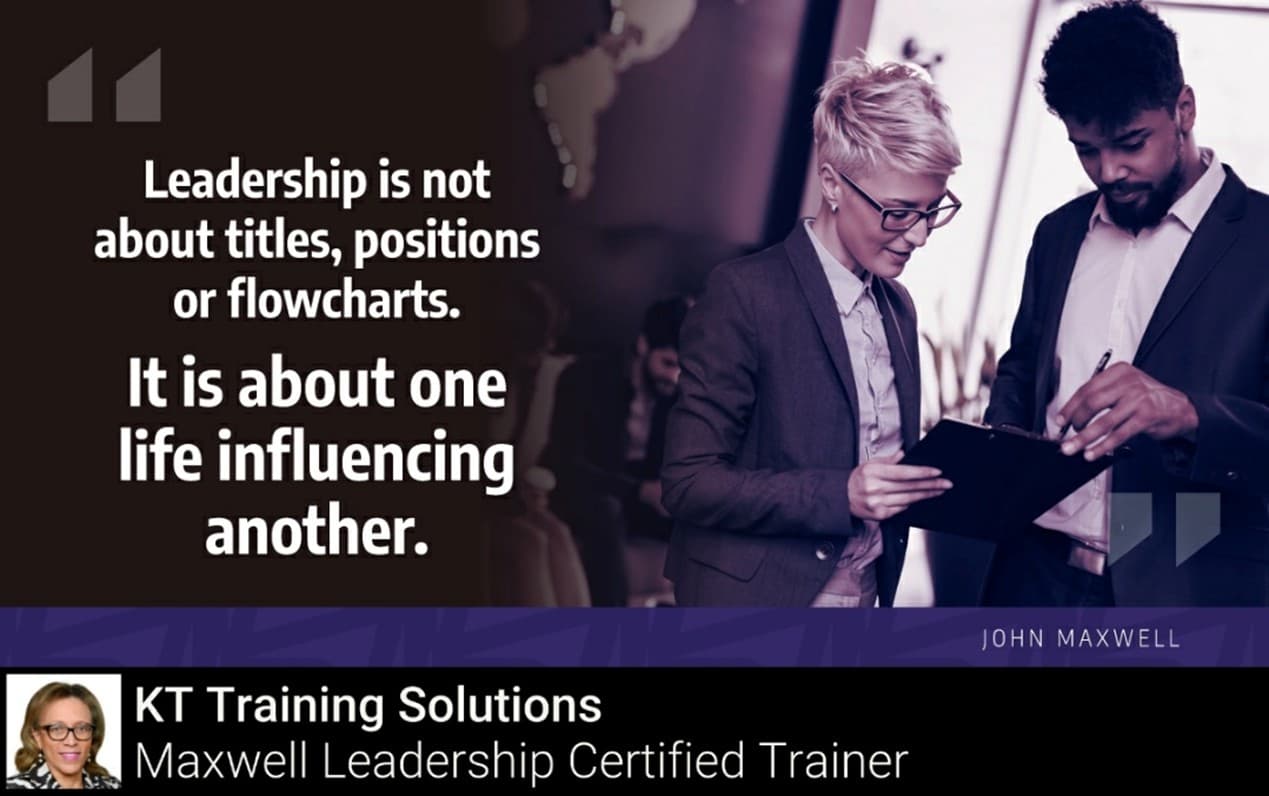
Leadership isn't just about titles; it's about inspiring and empowering others. At its core, it is all about motivating a group of people to act toward achieving a common goal – simply put, it is Influence!
Whether you are guiding a corporate department or mentoring your children at home, your success is tethered to your ability to influence others. As leadership expert Dr. John C. Maxwell famously noted, "Everything rises and falls on leadership." Your "leadership ceiling" ultimately determines the potential success of any project or relationship you manage.
A common misconception in the professional world is that a "Leader" is defined by a corner office or a specific job title. In reality, leadership is a dynamic skill set that functions independently of hierarchy. It is less about authority and more about influence.
How well you lead determines how well you succeed.
Debunking the Myths
It is vital to distinguish between "experience" and "leadership." Many people mistake one for the other, but they are not synonymous:
- Tenure vs. Ability: Tenure does not create leadership ability. Years on the job do not automatically grant leadership skills. In many cases, long tenure without personal growth creates a sense of entitlement rather than increased influence.
- Age vs. Maturity: Leadership is like maturity – it does not automatically come with age. Just as maturity doesn't always come with age, leadership does not naturally emerge over time.
- Passive vs. Intentional Growth: Growth is not an automatic process. It requires a commitment to being intentional and consistent.
The Compounding Effect of Development:
Leadership is an investment. Much like financial assets, the effort you put into developing your communication, empathy, and strategic thinking will compound over time. To evolve, you must move beyond your current comfort zone and actively seek out new ways to empower those around you.
Key Takeaway: You are already a leader in some capacity. The question is not if you lead, but how well you lead.
Reflective Questions for Growth:
What does leadership mean to you? How do you currently define leadership within your specific role? What is one intentional action you are taking this week to invest in your leadership development? You will need to continually invest in your leadership development, letting your assets compound, and the inevitable result will be growth over time.